Your Cart is Empty
Carpet & Tile Floor Extractors
Rug Cleaning Equipment
Upholstery Extractors
Air Duct Equipment
Dryer Vent Equipment
Vacuum, Sanitizing and Flood

Carpet & Rug

Spotters & Sealers

Upholstery & Mattress


Hard Floor Cleaners and Sealers

Odor Removers


Automobile Cleaners & Sealers

Hard Floor Tools & Accessories
Extractor Replacement Parts
Commercial & Industrial Scrubbers

Scrubbers


January 16, 2026 6 min read
Starting a professional cleaning company is one of the most accessible ways to enter the service economy, but only if you understand the real startup costs professional cleaning business owners face before the first job is booked.
Carpet cleaning, air duct cleaning, and dryer vent cleaning all offer strong demand, repeat business, and scalable growth opportunities. However, each service has different equipment requirements, pricing power, and return on investment (ROI).
Want to know “how much does it cost to start a cleaning business?” This guide breaks down expected costs, where your money goes, and how to choose the best setup for long-term profitability.
Most new owners want a straight answer so they know what to plan for. Here’s a realistic startup range for owner-operator models without franchise fees or storefronts:
| Service Type | Typical Startup Range |
|---|---|
| Carpet Cleaning | $1,000 – $20,000 |
| Air Duct Cleaning | $6,000 – $50,000 |
| Dryer Vent Cleaning | $2,000 – $15,000 |
| Combo Service Model | $15,000 – $30,000 |
These ranges reflect commercial cleaning equipment investment, licensing, and operational basics—not inflated, fully loaded setups that delay profitability.
According to industry sources, many new operators recover their initial equipment costs within the first few months when pricing and service mix are aligned correctly.
Most owner-operators begin with a budget of between $4,000 and $13,600, depending on equipment choice and service scope.
Air duct cleaning typically has higher job values, but also higher startup costs. Many businesses maximize profit by offering both services.
Some portable equipment can handle carpet and upholstery, but air duct cleaning requires specialized systems.
No. Portable systems allow lower startup costs and faster ROI. Truck-mounts are optional upgrades later.
Dryer vent cleaning generally has the lowest startup and operating costs.
Commonly overlooked expenses include insurance, maintenance, training, consumables, and software.
Not all cleaning services are the same. Equipment complexity, job duration, and pricing flexibility all impact both startup costs and ROI.
Here’s a look at the typical expenses you can expect for each service type:
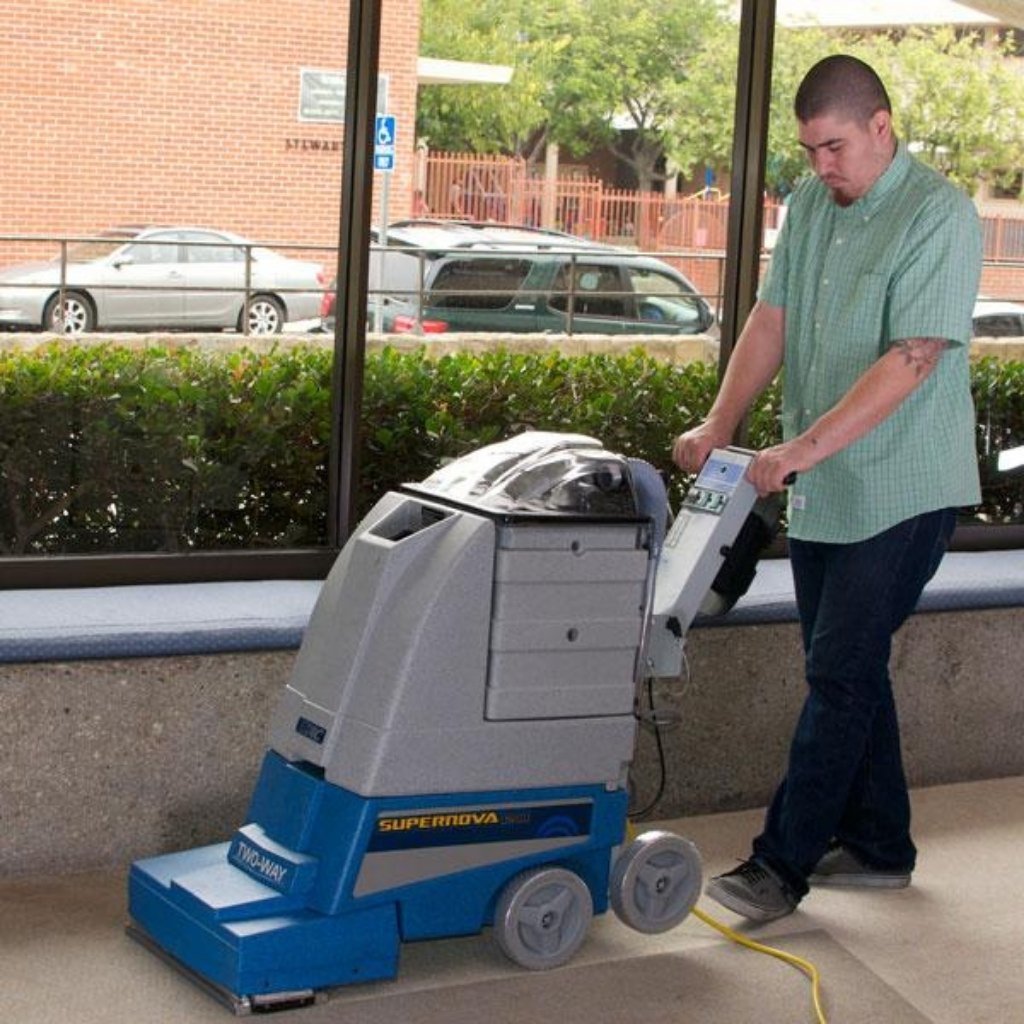
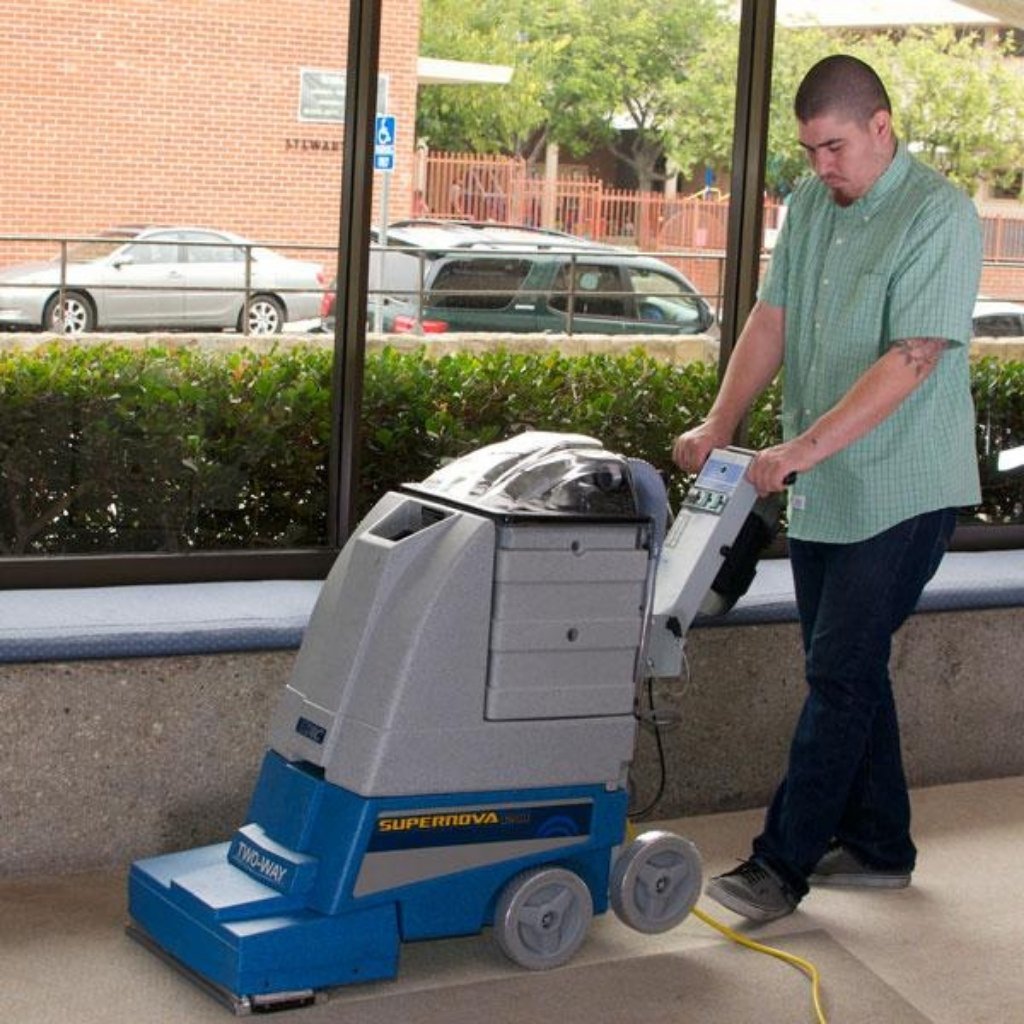
Carpet cleaning is often the easiest entry point due to consistent residential demand and scalable equipment options.
Startup carpet cleaning equipment costs typically include:
Baseline total for equipment: $4,700
A portable extractor allows new owners to service homes, apartments, and small commercial spaces without committing to a truck-mount system.
Many successful operators start with portable equipment, reinvest their early revenue, and upgrade as demand grows—keeping overhead low while maintaining a strong cash flow.
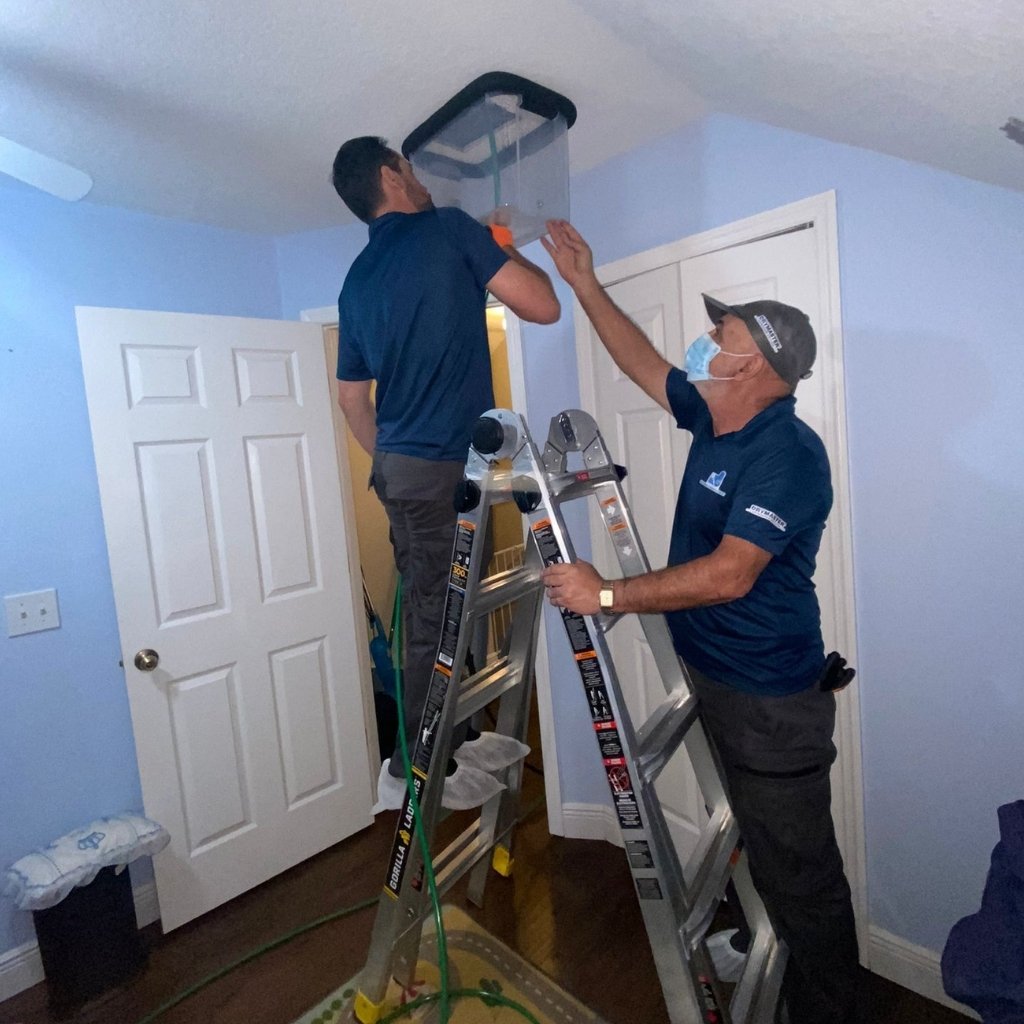
The cost to start an air duct cleaning business is higher, but the earning potential per job is also higher. Air duct cleaning commands premium pricing because it addresses indoor air quality, HVAC efficiency, and health concerns.
Well-maintained systems can operate more efficiently, leading to up to 40% in energy cost savings, which makes the service easier for homeowners to justify.
Air duct cleaning equipment price ranges include:
Negative air machine: $3,500+
Rotary brush system: $1,100+
HEPA vacuum systems: $800+
Inspection cameras and accessories: $900+
Baseline total for equipment: $6,300
While the initial investment is more than carpet cleaning, air duct services often generate $150-$800 per job, making the ROI attractive when marketed correctly.
For entrepreneurs seeking the lowest overhead cleaning business, dryer vent cleaning is often the fastest path to revenue.
The U.S. Fire Administration reports nearly 2,900 dryer-related fires each year, primarily caused by lint buildup. This statistic alone drives strong consumer demand.
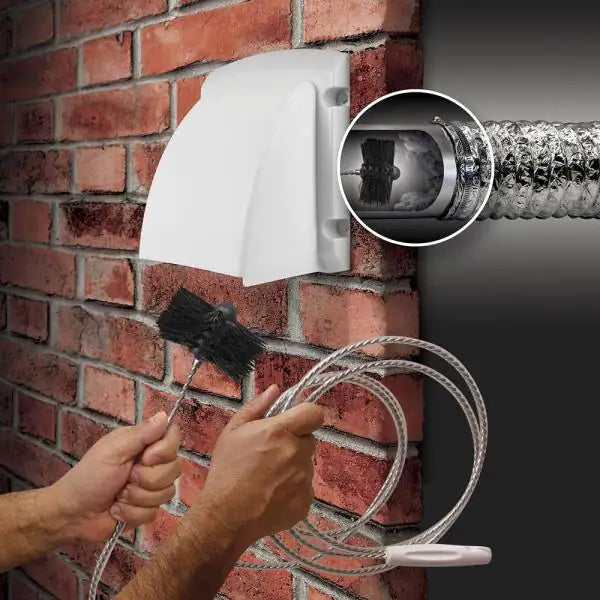
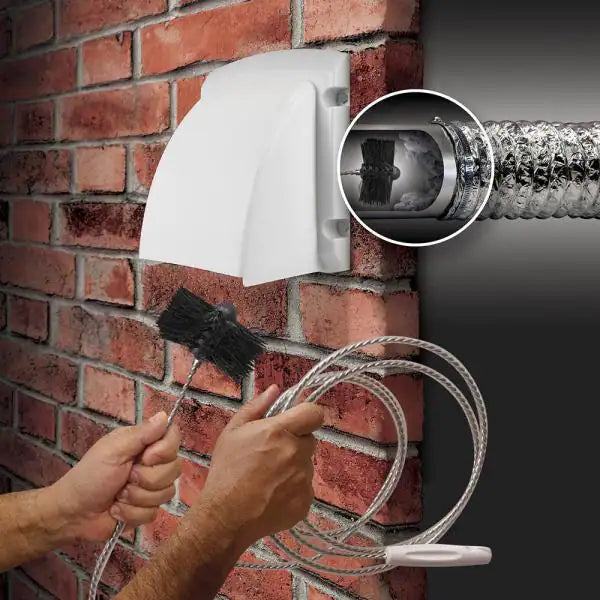
Expect to pay the following for dryer vent cleaning equipment:
Brush and rod systems: $170+
High-powered vacuum or blower: $1,300+
Camera inspection tools: $200+
Full equipment kit: $1,700+
Baseline total for equipment: $3,370
This service pairs well with carpet or air duct cleaning as an add-on, increasing average ticket value with minimal extra labor.
New owners often overspend in the early stages. Knowing the difference between what you need to start and what you can add later helps protect your ROI.
Here’s how each compares:
| Setup Type | Investment Range | What That Typically Includes | Best For |
|---|---|---|---|
| Entry-level | $6K–$10K | Portable equipment, core tools, limited accessories, and basic service capability. | Solo operators |
| Mid-range | $12K–$20K | Higher-capacity equipment, expanded tool sets, add-on service capability, and redundancy. | Growth-focused owners |
| Fully loaded | $25K+ | Multiple machines, specialty equipment, backup systems, and crew-ready setups. | Multi-crew operations |
Starting lean allows you to validate demand, pricing, and workflow before expanding your operations. Many operators initially lease or finance equipment, then upgrade as revenue stabilizes.
In limited cases, yes—but there are tradeoffs. Some operators rely on a portable extractor to handle multiple light-duty services, especially when starting out or operating solo. While this approach can reduce upfront costs, it also limits efficiency and the scope of services.
Some operators use a portable extractor for:
However, air duct cleaning requires dedicated negative air equipment to meet performance expectationsand industry standards. Attempting to shortcut this often leads to poor results and customer complaints.
The most profitable operators expand by adding specialized tools and accessories, not forcing one machine to do everything.
Even with low overhead, service business startup costs for a successful venture include more than just equipment.
Overlooked expenses often include:
Licensing and permit fees typically range from $100 to $500, depending on your state and municipality. Ongoing liability and vehicle insurance costs range from $400 to $600 per month, depending on coverage limits, services offered, and vehicle usage.
Hoses, belts, filters, and fittings require regular replacement due to normal wear and tear. Most owners should plan for ongoing monthly replacement expenses to avoid downtime and emergency repairs.
Detergents, pre-treatments, spot removers, and protectants are recurring costs tied to job volume. Many operators spend $200 to $500 per month on cleaning chemicals and consumable supplies.
Routine vehicle maintenance and fuel expenses create ongoing operating costs. For many owner-operators, annual maintenance fees for a work van average around $900, depending on mileage, service schedules, and repair needs.
Professional training and certification improve service quality and customer trust. Entry-level certification programs, such as carpet cleaning courses from the International Sanitary Supply Association (ISSA), typically cost between $200 and $1,000.
CRM and scheduling software help manage bookings, invoicing, and follow-ups. Monthly costs typically range from $15 to over $300 per user, depending on features, automation, and reporting needs.
Ongoing marketing commonly accounts for 7% to 8% of revenue once the business is established. For many operators, this translates to roughly $1,000 per month, covering website costs, branding assets, vehicle graphics, and initial digital advertising.
Failing to budget for these items can hold back growth—even when bookings are strong.
A cleaning business becomes profitable when its equipment choices, pricing strategy, and service mix work together effectively. When those pieces align, jobs run efficiently, margins stay healthy, and revenue scales without unnecessary overhead.
Key ROI drivers include:
Most operators who track job costing and reinvest early revenue see positive cleaning business ROI within the first few months. That can translate to between $75,000 and $250,000 in annual income as a beginner, and up to $500,000 once you’re well established.
The real takeaway from any startup cost breakdown is this: You don’t need the most expensive equipment or a fully loaded setup to launch successfully. You need the right tools for the services you plan to sell, realistic pricing, and enough working capital to operate without pressure.
Whether you start with carpet cleaning, dryer vent cleaning, air duct services, or a combination of these, the smartest operators build step by step. They validate demand, master one service, then expand intentionally. That approach maintains healthy cash flow, reduces risk, and shortens the path to a return on investment.
If your goal is to run a low-overhead cleaning business, choosing portable equipment through affiliate providers like DryMaster Systems allows you to generate revenue quickly and reinvest in expansion as demand grows.
Explore our startup packages to see what it takes to get started.
Add the “Free Carpet Cleaning Business Guide” lead form here.
Sign up to get the latest on sales, new releases and more …