Your Cart is Empty
Carpet & Tile Floor Extractors
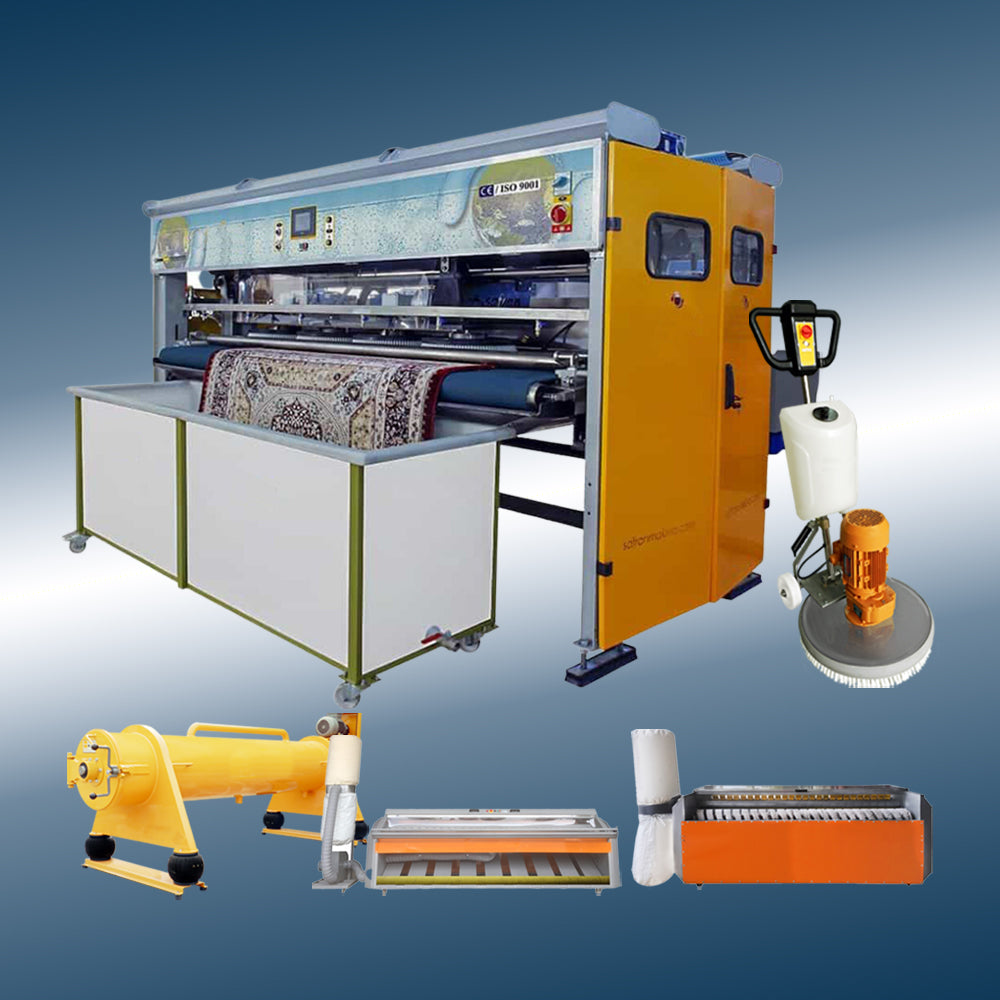
Rug Cleaning Equipment
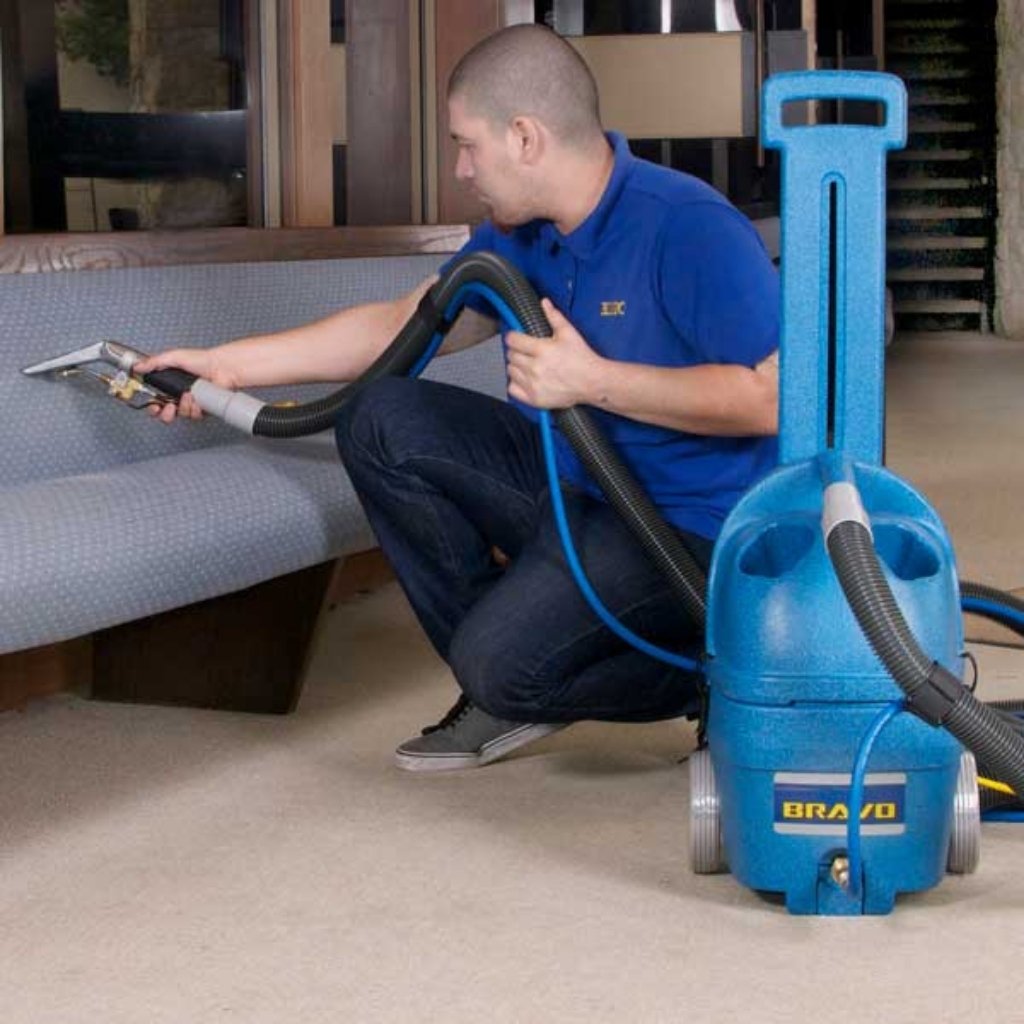
Upholstery Extractors
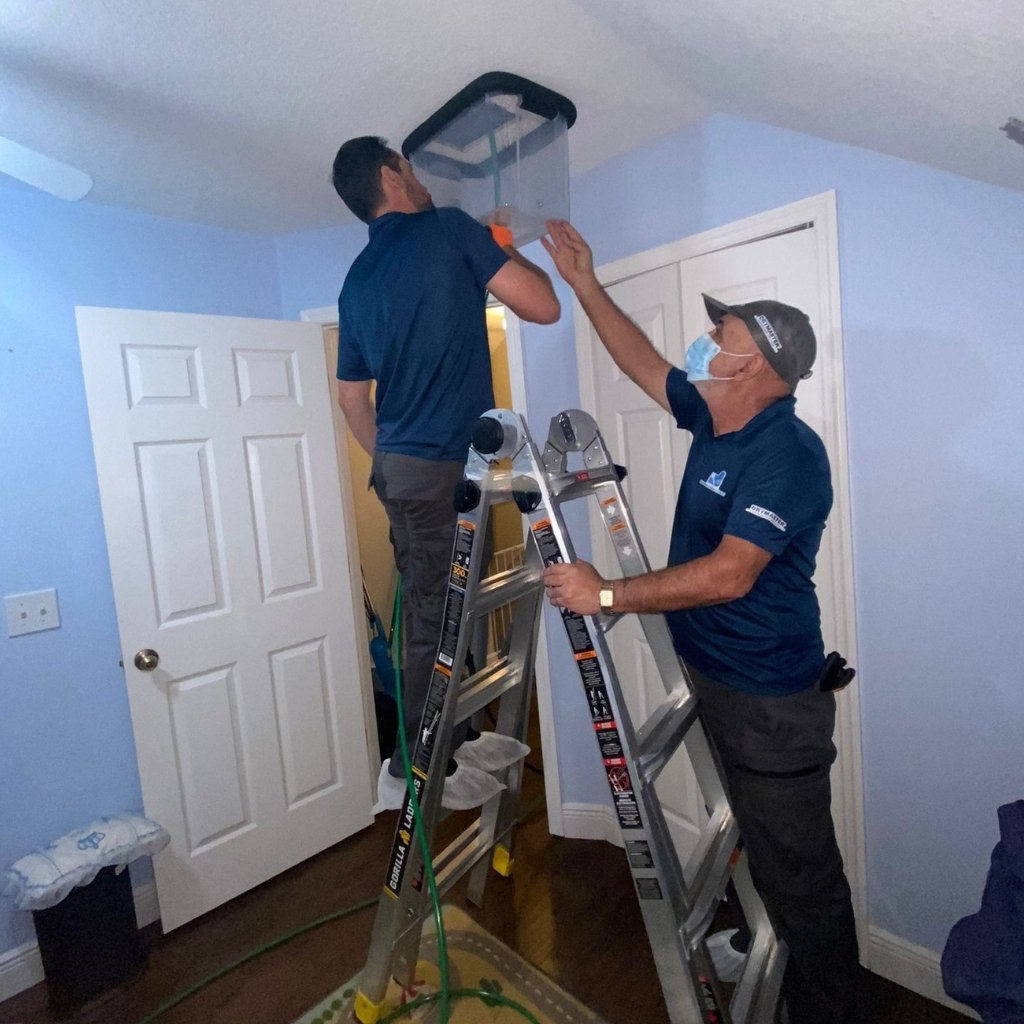
Air Duct Equipment
Dryer Vent Equipment
Vacuum, Sanitizing and Flood

Carpet & Rug

Spotters & Sealers

Upholstery & Mattress


Hard Floor Cleaners and Sealers

Odor Removers


Automobile Cleaners & Sealers


Hard Floor Tools & Accessories
Extractor Replacement Parts
Commercial & Industrial Scrubbers

Scrubbers


December 17, 2025 5 min read
Starting a carpet cleaning business for under 10k is more achievable than most people realize. When you prioritize profitable services, invest in dependable tools, and rely on low-cost marketing to book your first clients, you can build a polished, professional operation on a lean budget.
The key is treating your $10K like a launchpad instead of a limitation. With the right approach, it can take you much further than you expect.
Here’s a clear, no-nonsense plan to turn $10,000 into a revenue-ready cleaning business.
Many beginners overspend on equipment or try to offer everything at once. Keeping your cleaning business startup costs under 10k means spending wisely and focusing on what generates the most early revenue.
Here’s a general guideline for how to allocate your funds:
| Category | Suggested Percentage of Budget | Approx. Amount | Why It Matters |
|---|---|---|---|
| Vehicle/Van Setup | 60%–70% | $6,000–$7,000 | Needed for transport, storage, and a professional operation. |
| Extractor System | 15%–20% | $1,500–$2,000 | A beginner model to provide cleaning services. |
| Marketing Basics | 5%–8% | $500–$800 | A website, business cards, and targeted outreach are needed to secure jobs and establish visibility. |
| Licensing and Insurance | 3%–7% | $300–$700 | Required for legal operation and customer trust. |
| Cleaning Supplies | 2%–5% | $200–$500 | Covers chemicals and basics for your first jobs. |
| Reserve Capital | 0%–5% | $0–$500 | Supports fuel, small tools, and unexpected costs. |
Startup budgets aren’t one-size-fits-all. If you already have essentials—such as a work van—you can redirect that money into higher-impact areas, like a more advanced extractor or targeted advertising.
A budget tailored to your actual situation gives your new service business an instant edge.
The best way to stretch your $10K is to avoid spreading your small cleaning business investment too thin. Instead of offering every service imaginable, choose one high-ROI specialty that matches your budget and skill level.
These options consistently deliver strong margins for budget cleaning businesses:
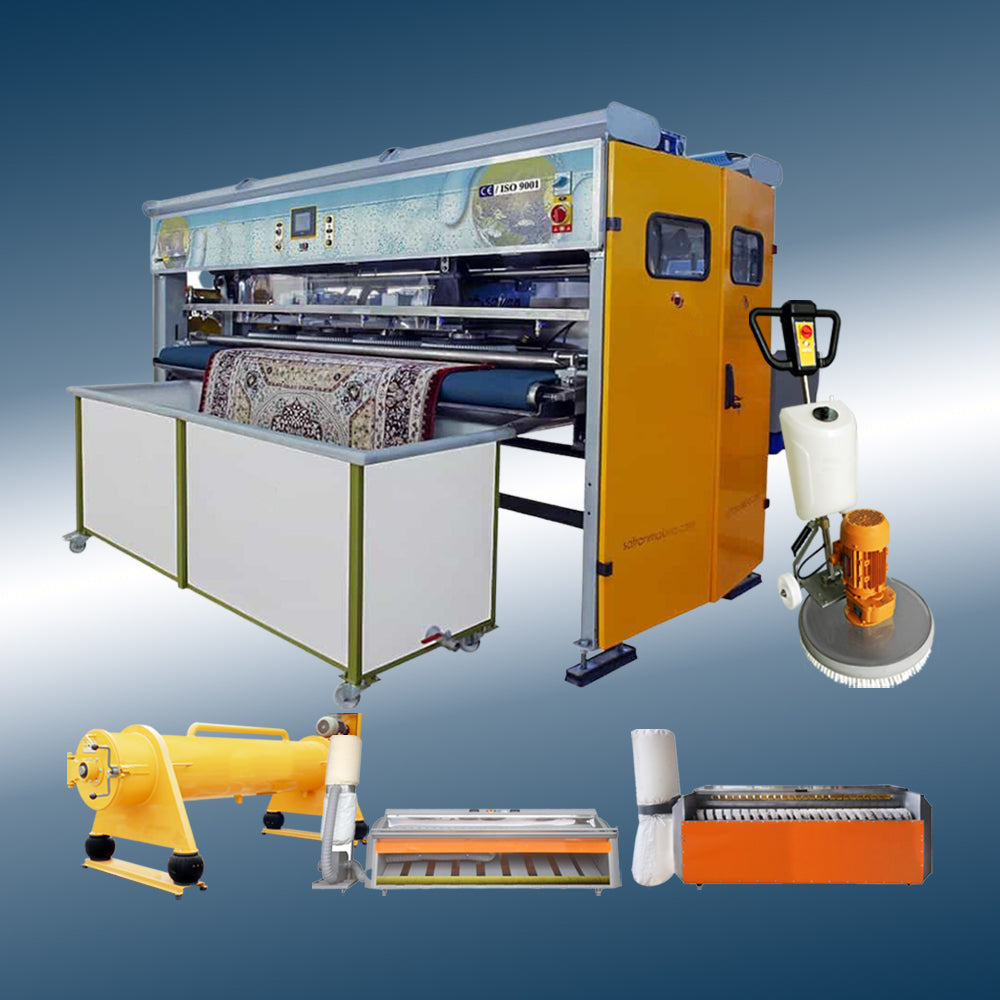
Skip high-overhead options like area rug cleaning, which require a dedicated wash space and drying setup. A tighter service list helps you launch quickly and start earning sooner.
Once you know your service focus, it’s time to build a dependable—but budget-friendly—framework. You don’t need high-end, luxury equipment; you need tools designed for durability, consistent results, and daily use.
Your main extractor or duct cleaning tools are the heart of your business. Buying new helps ensure reliability and warranty support, and avoids costly breakdowns in the early stages of ownership.
Many cleaning business starter kits bundle matched tools, hoses, and accessories to help beginners avoid overspending. Options often run as low as $2,000–$4,000, well within most startup budgets.
Items like ladders, storage bins, shop vacs, and basic hand tools are easily found secondhand and won’t impact job quality. Saving here helps preserve your cash for critical equipment.
Leasing allows you to access higher-grade carpet and air duct cleaning equipment without paying up front, making it easier to manage your cash flow in the early months. If you choose this option, ensure that the monthly payment fits comfortably within your operating budget.
These approaches help keep your professional cleaning equipment costs under control and establish a solid foundation for your business.
You don’t need a big budget to market your business. Tons of new cleaners get booked solid using free or inexpensive channels. Here are some options that are perfect for beginners:
This is your most powerful free asset. Over 72% of people use Google to find local services—capitalize on that with an updated profile, strong photographs, steady reviews, and short weekly posts.
Use neighborhood pages, HOA groups, and marketplace listings to introduce your services and share clear before-and-after images. Keep posts simple and helpful so homeowners immediately understand what you offer.
Reach out to HVAC companies, property managers, realtors, and apartment communities to offer your services as a reliable add-on resource. These introductions often lead to recurring referrals without heavy marketing effort.
A simple script after each job—“If anyone in your circle needs this service, feel free to pass on my number”—creates momentum organically. You could also incorporate a slight discount for referrals, for instance, “Refer a customer, get 10% off your next cleaning” to attract new customers.
On a tight budget, nothing beats focused, community-driven marketing.
Labor is one of the most misjudged areas for new owners. It’s tempting to hire several helpers immediately, but your first goal is to stay profitable—not scale too fast.
Follow these tips to stay under 10K in the early months:
Many new cleaning businesses launch with one owner-operator. Others bring on one employee to speed up jobs or handle equipment. Both approaches work well as long as your workload supports the payroll.
Even if you plan to work with family or trusted friends, treat labor as a real expense. Factor wages into your pricing and operating budget so you’re not scrambling when you increase volume.
Hire after your schedule stays consistently full—not before. If you’re turning away work or can’t keep up with demand, that’s when hiring employees becomes necessary to scale.
Starting lean allows you to keep more of your revenue during your first crucial months of operation.
One of the most affordable ways to launch a budget-friendly cleaning business is by joining a vendor-sponsored affiliate or partner program. As an affiliate of an established setup, you gain access to:
Affiliate programs can lower equipment costs, accelerate your learning curve, and facilitate a smoother launch. For beginners, they reduce uncertainty and offer a more predictable path to landing those first paid jobs.
A sub-$10,000 cleaning business structure is entirely within reach when you commit to a focused service niche and invest in equipment and systems that deliver real returns. You can go fully DIY or tap into partner-style programs to simplify the work—either way, you’ve got options to launch quickly.
Get your free cleaning business startup guide and learn the exact steps, tools, and strategies to launch with confidence—and stay profitable from day one.
Yes. Many entrepreneurs get their business off the ground for under 10K. For example, as a DryMaster Affiliate, you can start for just $3,790.
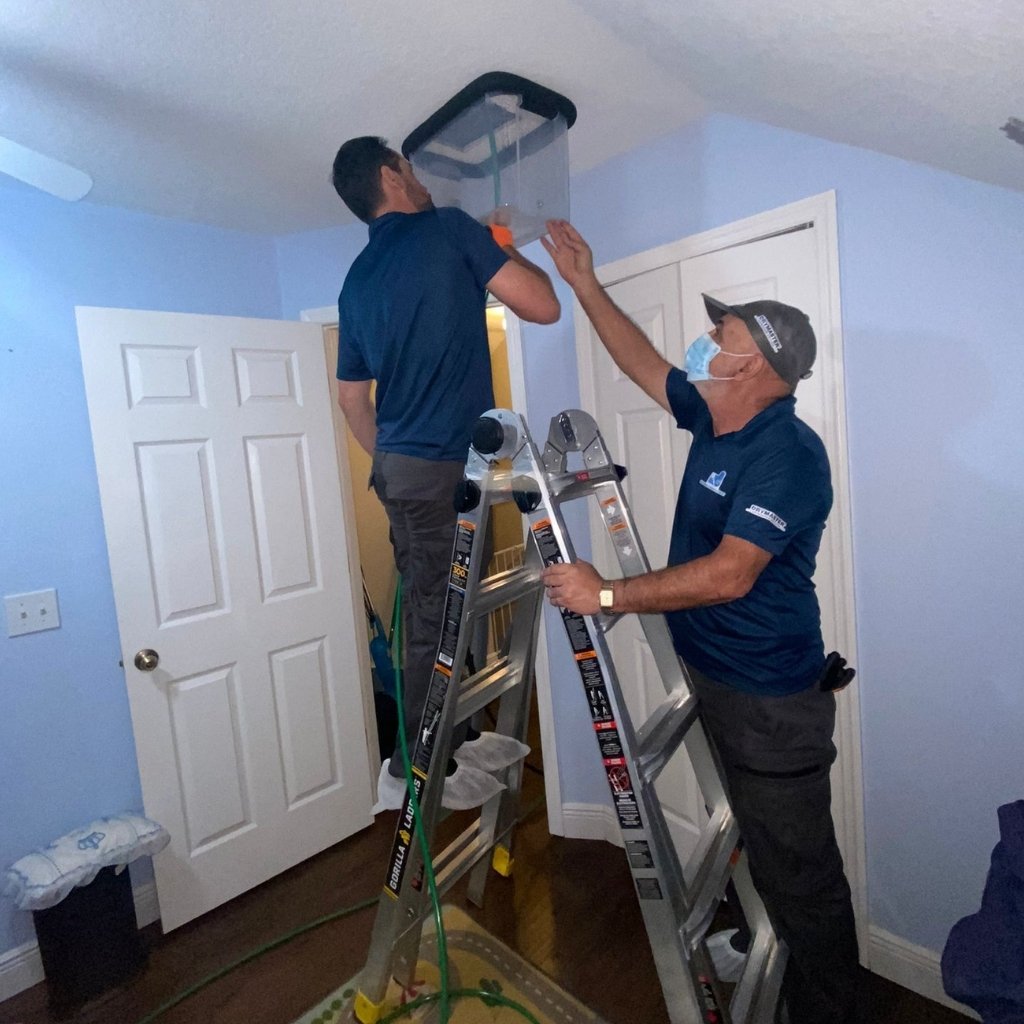
Air duct and dryer vent cleaning is a good option. Great pricing and minimal equipment needs make it one of the most affordable services to launch.
Buy new for your primary machine and cleaning tools to ensure reliability. Look for good-quality pre-used ladders, basic tools, and non-critical accessories to preserve your budget.
Many beginners reach break-even within one month, depending on service type, marketing effort, and job volume.
Focus on low-cost channels, such as Google Business Profile, local Facebook groups, and referrals from property managers or clients, to bring in steady work.
Sign up to get the latest on sales, new releases and more …