Your Cart is Empty
Carpet & Tile Floor Extractors
Rug Cleaning Equipment
Upholstery Extractors
Air Duct Equipment
Dryer Vent Equipment
Vacuum, Sanitizing and Flood

Carpet & Rug

Spotters & Sealers

Upholstery & Mattress


Hard Floor Cleaners and Sealers

Odor Removers


Automobile Cleaners & Sealers


Hard Floor Tools & Accessories
Extractor Replacement Parts
Commercial & Industrial Scrubbers

Scrubbers


May 01, 2026 5 min read
Every professional cleaner knows that great results don’t stop at extraction. What happens after the rinse phase—specifically, whether you restore the carpet’s pH—determines whether the job looks flawless weeks later or results in a callback.
A carpet cleaning neutralizer is what separates a clean-looking carpet from a properly finished, professional result. Without it, alkaline residue lingers in fibers, creating conditions that cause sticky carpets, rapid re-soiling, and premature wear.
In other words, if you skip neutralization, the job isn’t finished—it’s just temporarily improved.
Professional cleaning relies on alkaline pre-sprays (typically pH 9–12) because they break down oils, grease, and organic soils.
But here’s the problem:
This is the root cause of:
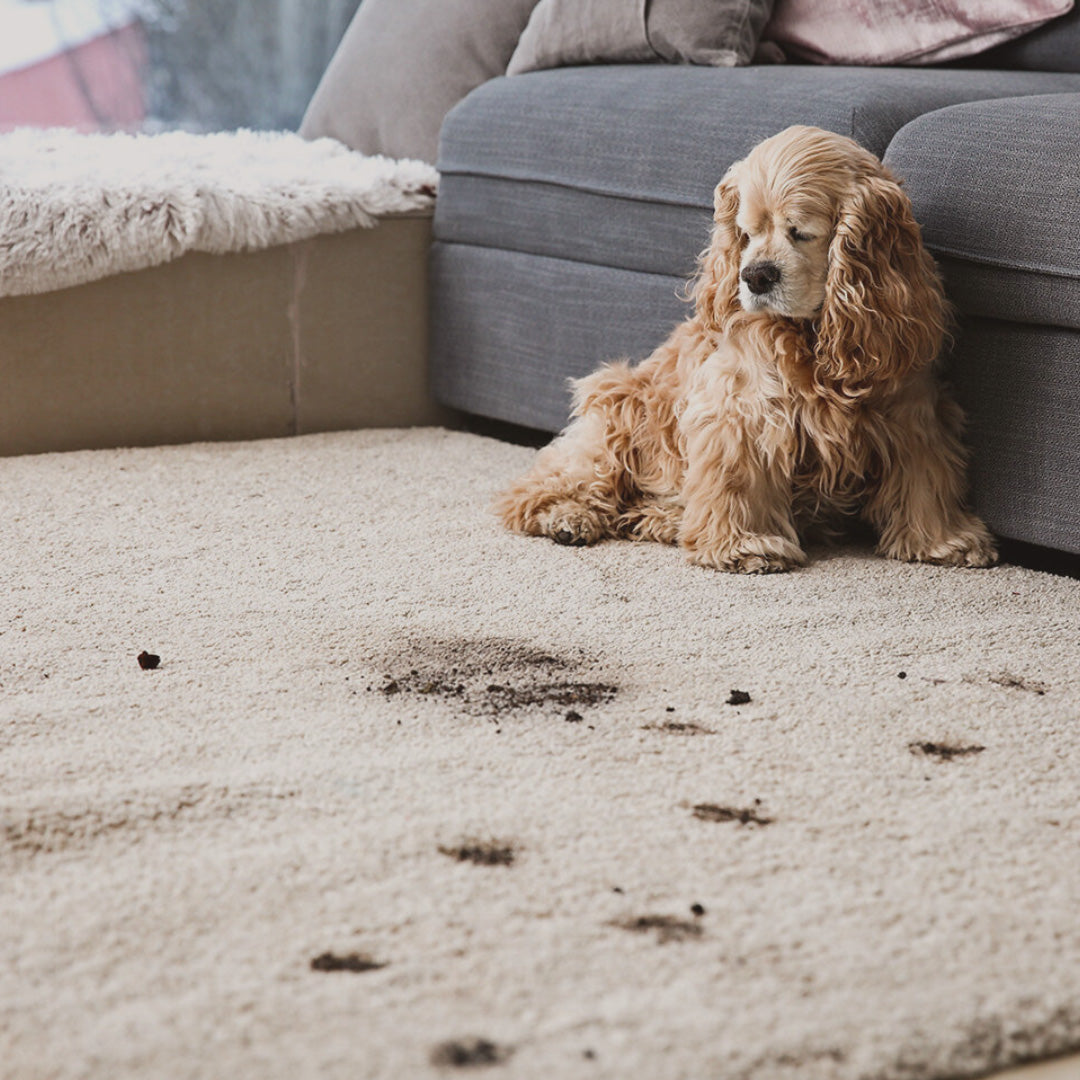
Think of alkaline residue like a magnet—if it’s left behind, it actively pulls soil back into the carpet.
From a carpet cleaning chemistry standpoint, the process is complete only when the residue is neutralized, not just extracted.
According to the ANSI/IICRC S100 standard, professional carpet cleaning includes the proper application of cleaning chemistry and procedures designed to remove soil without damaging fibers—making pH control and neutralization essential components of the process.
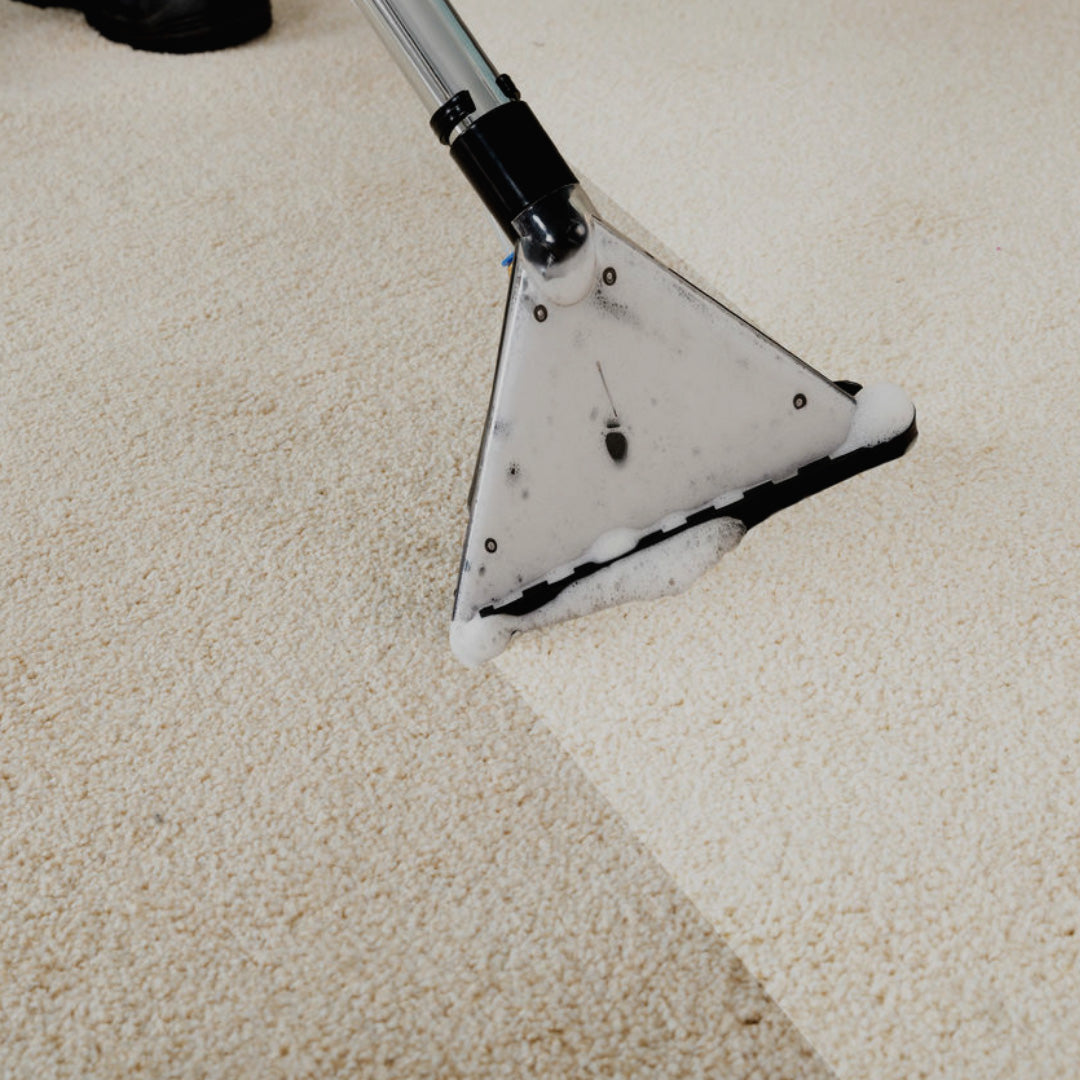
A carpet neutralizing rinse (also called an acid rinse carpet cleaning solution) is added to the extraction process.
This is the step that transforms a carpet from “just cleaned” to “professionally finished.”
Most professional carpet rinse agents include:
These rinse agents are engineered to complete the cleaning process and stabilize results. Professional-grade products designed for this purpose are available in our collection of carpet and upholstery cleaning solutions.
Skipping neutralization is one of the most common—and costly—mistakes in the industry.
Proper neutralization is critical in high-traffic environments, where residue leads to faster re-soiling and increased wear.
Carpet fibers vary in how they respond to cleaning chemistry. Using the wrong pH—or failing to neutralize—can lead to anything from faster re-soiling to permanent damage.
This is where many technicians unknowingly create long-term problems, even when the carpet looks clean at first.
The following ranges reflect commonly accepted industry guidelines based on IICRC standards, manufacturer recommendations, and fiber chemistry principles.
| Carpet Fiber | Safe pH Range | Best Cleaner Type | Neutralization Need |
|---|---|---|---|
| Nylon | 5–10 | Alkaline pre-spray + acid rinse | Always recommended |
| Polyester (PET) | 5–10 | Alkaline pre-spray + acid rinse | Essential |
| Olefin | 5–10 | Solvent-based or alkaline pre-spray + acid rinse | Recommended |
| Wool | 4.5–8.5 | Wool-safe neutral or mild acid cleaner | Critical |
| Triexta | 5–10 | Alkaline pre-spray + acid rinse | Recommended |
Neutralizing a carpet after cleaning is not always mandatory, but in professional settings, it’s often best practice.
You should use a neutralizer when:
If you’re experiencing repeat complaints, premature recontamination, or inconsistent results, skipping this step is often the underlying issue. Explore our cleaning chemicals catalog for neutralizers, rinses, and specialty products.
To get the most out of your neutralization step—and avoid costly callbacks—focus on both proper chemistry and thorough extraction.
Once neutralization is complete, consider applying a carpet protector to extend the clean appearance and improve soil resistance.
For environments requiring additional hygiene control, use disinfectants or sanitizers that are compatible with a neutralized carpet to avoid disrupting the pH balance you’ve just restored.
Even experienced technicians can run into issues when the neutralization step is overlooked or handled incorrectly.
These are the most common mistakes to avoid:
Avoiding these mistakes isn’t just about improving technique—it’s what ensures carpets stay cleaner longer, perform as intended, and meet professional standards after every job.
If you’ve ever wondered how to prevent carpet re-soiling, neutralization is the answer:
To take results a step further, applying a carpet stain protection solution helps create a barrier against future soil and extends the life of the carpet.
Mastering carpet cleaning chemistry—especially neutralization, pH control, and proper product selection—is what separates average technicians from professionals who deliver consistent, high-quality results.
DryMaster Systems equips cleaning professionals with the products, training, and technical support needed to reduce callbacks, improve performance, and grow a more profitable business.
Whether you’re refining your process or just getting started, explore our best commercial carpet cleaning solutions, review our startup checklist for new carpet cleaning businesses, or see why professionals choose DryMaster Systems to elevate their results.
A neutralizer lowers the pH of carpet fibers after alkaline cleaning to restore balance and remove residue.
This usually happens when detergent residue or high pH chemicals remain in the carpet.
An acid rinse is a solution used during extraction to neutralize alkaline cleaners and restore proper pH.
Not always, but it is especially important when using strong alkaline cleaners.
Yes. Residue left behind can attract soil, causing carpets to resoil more quickly.
Sign up to get the latest on sales, new releases and more …