Your Cart is Empty
Carpet & Tile Floor Extractors
Rug Cleaning Equipment
Upholstery Extractors
Air Duct Equipment
Dryer Vent Equipment
Vacuum, Sanitizing and Flood

Carpet & Rug

Spotters & Sealers

Upholstery & Mattress


Hard Floor Cleaners and Sealers

Odor Removers


Automobile Cleaners & Sealers


Hard Floor Tools & Accessories
Extractor Replacement Parts
Commercial & Industrial Scrubbers

Scrubbers


October 22, 2026 6 min read
Choosing the right air duct cleaning equipment is an important step when starting a duct cleaning business or expanding your existing services. With so many machines, brushes, vacuums, and accessories available, it can be challenging to know what you actually need.
The right equipment helps technicians remove dust and debris, reach difficult areas, and complete jobs efficiently. However, not every business needs the most expensive system or every available accessory.
This guide covers essential professional air duct cleaning equipment, what each tool does, and which features matter when buying. We’ll also cover the differences between residential and commercial equipment and how duct cleaning fits into an existing service business.
Professional duct cleaners use vacuum collection systems, brushes, cables, hoses, and inspection tools to remove debris from HVAC ductwork.
The essential duct cleaning equipment includes:
Together, these tools help technicians loosen debris, collect contaminants, inspect ductwork, and protect customers’ property.
Each piece of equipment serves a different purpose. Understanding how these tools work together can help you choose a system that meets your needs.
A duct cleaning vacuum captures loosened debris while helping prevent contaminants from entering the indoor environment. The Environmental Protection Agency (EPA) recommends equipment that exhausts particles outdoors or uses HEPA filtration when exhausting indoors.
When comparing vacuum systems, consider:
Vacuum capacity should match the size and layout of the duct systems you plan to clean.
An air duct cleaning brush loosens dust and debris attached to duct surfaces so the vacuum can remove it. Rotary brushes typically attach to flexible cables driven by a motor. As the brush rotates, its bristles contact the duct’s interior surfaces.
Common agitation tools include:
Brush diameter and bristle stiffness are important. An overly large or aggressive brush may damage ductwork, especially flexible ducts or fiberglass-lined materials.
To avoid damaging fiberglass duct board or fiberglass-lined sheet metal ducts, the EPA recommends using soft-bristled brushes.
Flexible cables connect rotary brushes to the drive motor, letting technicians clean ductwork beyond their reach.
Choose cables and hoses based on length, flexibility, durability, and compatibility with your equipment. Longer cables can reach distant sections of ductwork but may be harder to control around tight bends or fragile materials.
An air duct cleaning camera lets technicians inspect areas that are hard to see from vents or access openings. Cameras can identify accumulated debris, damaged duct sections, and areas that may need extra attention.
Look for features such as:
Inspection cameras also allow businesses to document conditions before and after cleaning. Although cameras are useful professional tools, you may not need a separate camera if your cleaning system already includes inspection capabilities.
Start with the essentials and add equipment as your business grows.
| Equipment | Main Purpose | Priority |
|---|---|---|
| Vacuum Collection System | Captures dust and debris | Essential |
| Rotary Brushes and Agitation Tools | Loosen debris | Essential |
| Flexible Cables and Hoses | Reach duct interiors | Essential |
| Access and Sealing Tools | Open and close access points | Essential |
| PPE and Floor Protection | Protect workers and property | Essential |
| Inspection Camera | Inspect and document conditions | Recommended |
| Compressed Air Tools | Provide additional agitation methods | Optional |
| Advanced Diagnostic Equipment | Assess system conditions | Optional |
| Specialty Cleaning Attachments | Handle unusual duct configurations | As needed |
Before investing in optional upgrades, consider how often you will use them and whether they will improve your ability to complete the jobs you typically handle. For additional guidance, review our list of must-have equipment and tools for an air duct cleaning business.
An all-in-one air duct cleaning machine combines several cleaning functions into a single system. Depending on the model, it may include a rotary brush drive, vacuum collection, and an inspection camera.
For example, the Bullet Pro air duct cleaning system combines adjustable brush operation, dual-fan suction, and camera-equipped hoses.
Integrated equipment may offer several advantages:
However, an integrated machine is not suitable for every application. Compare its duct size compatibility, collection capabilities, and operating requirements with the types of properties you serve.
When comparing HVAC duct cleaning equipment, focus on performance, compatibility, and operating costs, not price alone.
Important specifications include:
The lowest-priced equipment may not be the most economical if it requires frequent repairs or cannot handle your typical jobs.
Residential and commercial duct systems can differ in size, layout, and accessibility.
Residential jobs typically involve smaller ducts, shorter runs, and limited access through attics or crawl spaces. A portable machine with compatible brushes, adequate vacuum collection, and inspection capabilities can be a practical choice.
Commercial properties may have larger duct systems, longer runs, and more complicated layouts.
These jobs may require:
The National Air Duct Cleaners Association (NADCA) provides industry standards covering HVAC system assessment, cleaning procedures, equipment use, and cleanliness verification.
Useful air duct cleaning accessories include replacement brushes, extra cables, collection bags, filters, duct plugs, access panels, sealing tape, and protective coverings. Keeping commonly used supplies organized in your service vehicle helps prevent unnecessary trips and delays.
Browse our duct and dryer cleaning supplies to find accessories that complement your existing equipment.
Air duct cleaning businesses may also benefit from offering dryer vent cleaning. Both services remove accumulated debris from ventilation systems, but they require different tools and cleaning procedures.
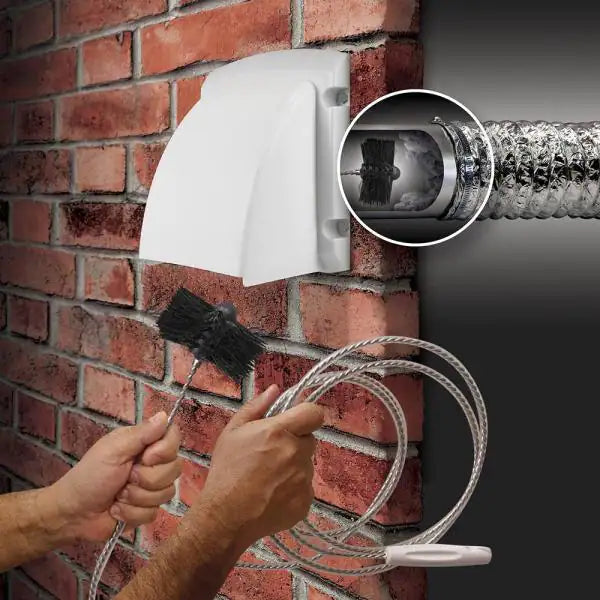
Common dryer vent cleaning equipment includes:
Because many businesses already serve residential customers, dryer vent cleaning can be a convenient additional service.
Explore our dryer vent cleaning equipment and supplies or learn more about starting a dryer vent cleaning business.
For carpet cleaners, restoration companies, HVAC contractors, and professional cleaning businesses, air duct cleaning can naturally extend their services. Many already have vehicles, trained employees, and established customer relationships.
However, adding duct cleaning requires more than purchasing equipment. Technicians need training in duct materials, cleaning procedures, equipment operation, and property protection.
Before expanding, consider your equipment budget, customer demand, training requirements, and the types of properties you plan to serve.
DryMaster™ Systems offers resources to help you start an air duct cleaning business and plan your duct cleaning operation.
The right professional duct-cleaning tools can help you work efficiently, handle different duct systems, and expand your services.
Whether you’re starting a duct cleaning business or upgrading your current setup, DryMaster Systems offers equipment and supplies for professional cleaners.
Explore our air duct cleaning equipment to find the right machines, brushes, cables, and accessories for your business.
Sign up to get the latest on sales, new releases and more …